35mm vs 120 Medium Format Film: What's the Difference?
They're both film, but they're very different experiences: 35mm is cheap, forgiving, and everywhere; 120 gives you negatives several times larger with detail that's hard to believe. Here's how to choose.
The difference is size: a 35mm frame is 24x36mm, while 120 "medium format" film produces negatives from 45x60mm up to 60x90mm — three to six times the area. Bigger negatives mean more detail, smoother tones, and less visible grain, but fewer shots per roll (8–16 versus 24–36) and bulkier cameras. Beginners should start with 35mm; 120 is the natural second chapter.
Who Should Read This
Anyone who's seen "120," "medium format," or "6x6" in a listing and wondered whether it fits their camera — or whether it's worth the jump. (Spoiler: 120 film does not fit a 35mm camera; each format needs its own camera.)
What Is 35mm Film?
35mm (also called 135) is the familiar metal cartridge with sprocket holes. You get 24 or 36 exposures per roll, the film loads in daylight, and effectively every film camera sold to consumers in the last half-century takes it. Film choice is widest here, and development is the cheapest and fastest — it's the format our film ISO guide assumes.
What Is 120 Film?
120 is a roll about 6cm wide, taped to a paper backing and wound on a spool with no cartridge and no sprocket holes. The camera decides the frame shape, so shots per roll depend on the body:
- 6x4.5 ("645") — 16 frames per roll
- 6x6 (square, the classic look) — 12 frames
- 6x7 — 10 frames
- 6x9 — 8 frames
It's shot in everything from twin-lens reflexes (Rolleiflex, Yashica Mat) to SLR systems (Hasselblad, Pentax 67, Bronica) to toy cameras (Holga, Diana).
The Difference You Can See
Negative area is the whole story. A 6x6 negative has roughly three and a half times the area of a 35mm frame; a 6x9 has about six times. That surplus becomes:
- Detail — enlargements stay crisp far beyond what 35mm sustains
- Smoother grain — the same film stock looks finer because it's magnified less
- Tonality — gentler transitions in skies and skin
The trade: fewer frames, slower shooting, bigger gear, and a higher cost per shutter click.
Comparison Table
| 35mm (135) | 120 (Medium Format) | |
|---|---|---|
| Frame size | 24x36mm | 45x60mm to 60x90mm |
| Shots per roll | 24 or 36 | 8–16 (depends on camera) |
| Loading | Daylight cartridge, easy | Paper-backed roll, needs a little care |
| Grain / detail | Good | Noticeably finer, more detail |
| Camera size & cost | Small, cheap, everywhere | Bigger, pricier, more deliberate |
| Cost per shot | Lowest | Higher |
| Best for | Learning, everyday, travel | Portraits, landscapes, prints you'll enlarge |
Common Mistakes
- Buying 120 film for a 35mm camera (or vice versa). Check your camera's format before ordering film.
- Confusing 120 with 620. Same film, different spool — a 620 camera needs film respooled onto 620 spools; 120 rolls won't drop in.
- Expecting 220 film. 220 was a double-length version of 120; it's essentially gone from production. Buy 120.
- Loading 120 loosely. A slack roll lets light creep down the backing paper ("fat roll" leaks). Keep tension on the roll and load in shade.
- Assuming nobody develops 120 anymore. Plenty of labs do — including ours, in-house.
FAQ
Is 120 film the same as medium format?
Effectively yes in modern use — 120 is the film format, "medium format" describes any camera that shoots it (and the larger-than-35mm digital sensors named after it).
Can I shoot 120 film in a 35mm camera?
No. The roll is physically wider than a 35mm camera's film chamber. Each format requires a camera built for it.
Is medium format film more expensive?
Per roll the prices are similar, but with 8–16 frames instead of 36, your cost per photo is meaningfully higher. Most 120 shooters find the hit rate goes up to match — you slow down and compose.
Does 120 film cost more to develop?
Development pricing at our lab is comparable to 35mm — see current pricing. The bigger negatives scan beautifully at standard resolution, and high-resolution scans bring out their full detail for large prints.
What's a good first medium format camera?
A twin-lens reflex like a Yashica Mat, or a 645 SLR — both are affordable entry points. Inspect any used body with our used camera buying checklist first.
Neptune Photo develops and scans both 35mm and 120 in-house at our Garden City, NY lab — same drop-off, same film development service, since 1963. Curious what your roll goes through? Here's exactly what happens in our lab.
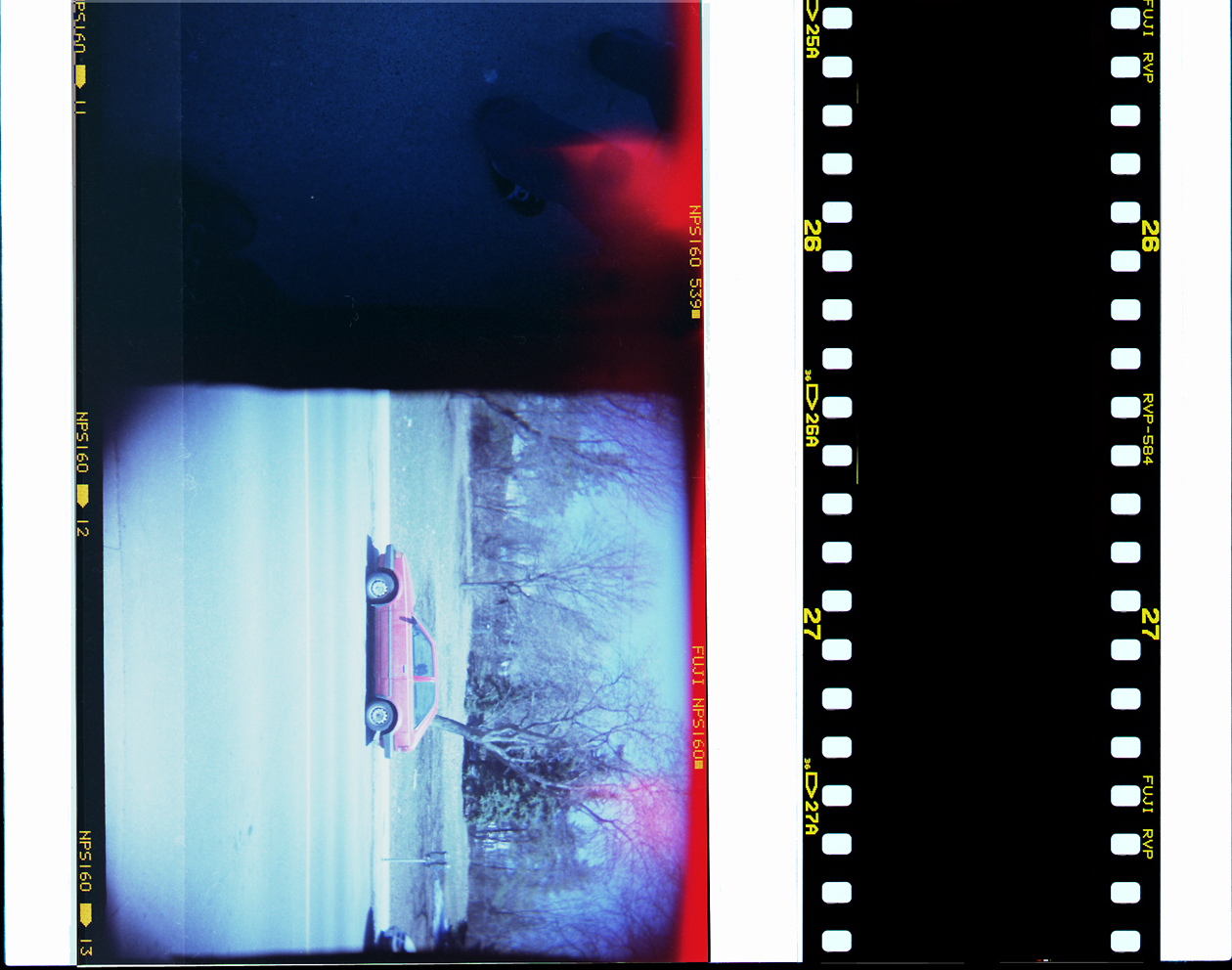
Cover photo: Clngre, via Wikimedia Commons, public domain.
Written and reviewed by the Neptune Photo team — the staff behind the counter and in the film lab at our Garden City, NY shop since 1963. Read our editorial policy


