Film ISO Explained: When to Use 100, 200, 400, and 800 Speed Film

ISO is the single most important decision you make when choosing a film stock. Get it right and your shots will be sharp, clean, and properly exposed. Get it wrong and you're fighting the light all day.
Short answer: use ISO 100 film in bright sun for maximum sharpness, 200 for general outdoor shooting, 400 for mixed and indoor light, and 800+ when the light is fading. Film can't change ISO mid-roll, so pick the speed for the conditions you expect to shoot. Here's how each speed behaves and which films to try.
What is Film ISO (ASA)?
ISO — historically called ASA on older cameras — is a standardized measurement of how sensitive a film is to light. A lower ISO number means the film needs more light to expose properly; a higher ISO means it can capture images in lower light.
The tradeoff: higher ISO films produce more grain (the film equivalent of digital noise), while lower ISO films are finer grained but need abundant light.
Film ISO Comparison Chart
| ISO | Grain | Best For | Example Films |
|---|---|---|---|
| 100 | Finest | Bright sun, landscapes, studio | Kodak Ektar 100, Fujifilm Provia 100F |
| 200 | Fine | Outdoor daylight, golden hour, travel | Kodak Gold 200, Fujifilm C200 |
| 400 | Moderate | Indoors, overcast, street, mixed light | Kodak Portra 400, Kodak Ultramax 400, Ilford HP5 Plus |
| 800+ | Heavy | Night, concerts, bars, dim interiors | Kodak Portra 800, Cinestill 800T, Ilford Delta 3200 |
ISO 100 — Maximum Sharpness, Minimum Grain
Best for: Sunny outdoor shooting, landscapes, studio photography with controlled lighting
Not great for: Indoors, overcast days, golden hour, any situation with limited light
Common films: Kodak Ektar 100, Fujifilm Velvia 50, Fujifilm Provia 100F
ISO 100 films produce the finest grain of any color film you can buy today. Kodak Ektar 100 is the gold standard — saturated, sharp, with grain so fine it looks almost digital. It's ideal for landscape and travel photography where you want maximum detail.
The catch: at ISO 100, you need to be outside in good light or using a tripod. Shoot at 1/60s with an aperture of f/5.6 on a cloudy day and you'll be on the edge of underexposure.
ISO 200 — The Sweet Spot for Outdoor Shooting
Best for: Outdoor daylight, golden hour, beaches, parks, travel
Acceptable for: Bright shade, flash photography
Common films: Kodak Gold 200, Fujifilm C200, Lomography Color 200
ISO 200 is the classic "sunny day" film speed and represents the best balance of grain and versatility for most outdoor scenarios. Kodak Gold 200 in particular has become a modern classic — its warm, slightly golden tones make everyday life look like a vacation memory.
At ISO 200 in bright sun, you can shoot at f/8 and 1/250s with plenty of room to maneuver. Step into shade and you'll need to open up to f/2.8 or f/3.5, which is where a fast lens helps.
ISO 400 — The Everyday Workhorse
Best for: Indoor shooting, overcast days, concerts, street photography, anytime you can't control the light
Also great for: Shooting in mixed lighting (outdoors and indoors on the same roll)
Common films: Kodak Ultramax 400, Kodak Portra 400, Fujifilm Superia 400, Ilford HP5 Plus
ISO 400 is the recommendation for most beginners because it works in the widest range of lighting conditions. Load a roll of Kodak Ultramax 400 and you can shoot in bright sun, open shade, restaurants, and parties — all on the same roll. (Deciding between it and Gold? See Kodak Gold 200 vs. UltraMax 400.)
The grain is more pronounced than ISO 200, but modern ISO 400 films like Kodak Portra 400 are so well-engineered that the grain is smooth and pleasant rather than distracting. Portra 400 in particular is beloved for portrait work — its flattering skin tones and fine grain for an ISO 400 film make it many professional photographers' everyday film.
ISO 800 and Above — When the Light Runs Out
Best for: Bars, nightclubs, concerts, indoor events without flash, dim street scenes
Common films: Kodak Portra 800, Cinestill 800T, Ilford Delta 3200
ISO 800 films are specialized tools for low light situations. The grain is heavy and unmistakable, but many photographers love the gritty, high-contrast look it creates.
Cinestill 800T is a cult favorite — it's a motion picture film stock adapted for still photography that produces dreamy halation (a red glow around light sources) that has become an iconic film photography look. It's ideal for shooting in cities at night.
Choosing the Right ISO for Your Shoot
- Bright sun, beach, snow → ISO 100–200
- Partly cloudy, open shade → ISO 200–400
- Overcast, indoor with windows → ISO 400
- Indoor events, restaurants → ISO 400–800
- Nighttime, concerts, bars → ISO 800+
Can You Change ISO Mid-Roll?
No — unlike digital cameras, a roll of film is committed to a single ISO from beginning to end. If you load ISO 200 film, every frame on that roll is shot at ISO 200.
The exception: push processing. You can tell your lab to push your film one or two stops, effectively treating ISO 400 film as ISO 800. The trade-off is increased contrast, more grain, and slightly altered colors. At Neptune Photo, we offer push and pull processing for an additional fee.
FAQ
What ISO film is best for beginners?
ISO 400. It handles the widest range of light — sun, shade, and indoors on the same roll — which makes it the most forgiving choice while you're learning.
Does higher ISO film always mean more grain?
Within the same film family, yes. But engineering matters: a modern film like Kodak Portra 400 has finer grain than many older, slower stocks.
Can I use 400 speed film on a sunny day?
Yes. Stop down to f/11–f/16 or use a faster shutter speed, and remember that color negative film handles a little overexposure well.
What happens if I shoot film at the wrong ISO?
One stop off is usually fine with color negative film. If you're off by more, tell your lab at drop-off — push or pull processing during development can compensate.
Are ISO and ASA the same thing?
Effectively, yes. ASA is the older American standard and the numbers are identical — if your camera dial says ASA 200, that's ISO 200.
Not sure which film to choose for your next shoot? Stop by Neptune Photo in Garden City — we stock a wide range of films and can help you pick the right one for your camera and conditions. New to film? Start with the best 35mm films for beginners.
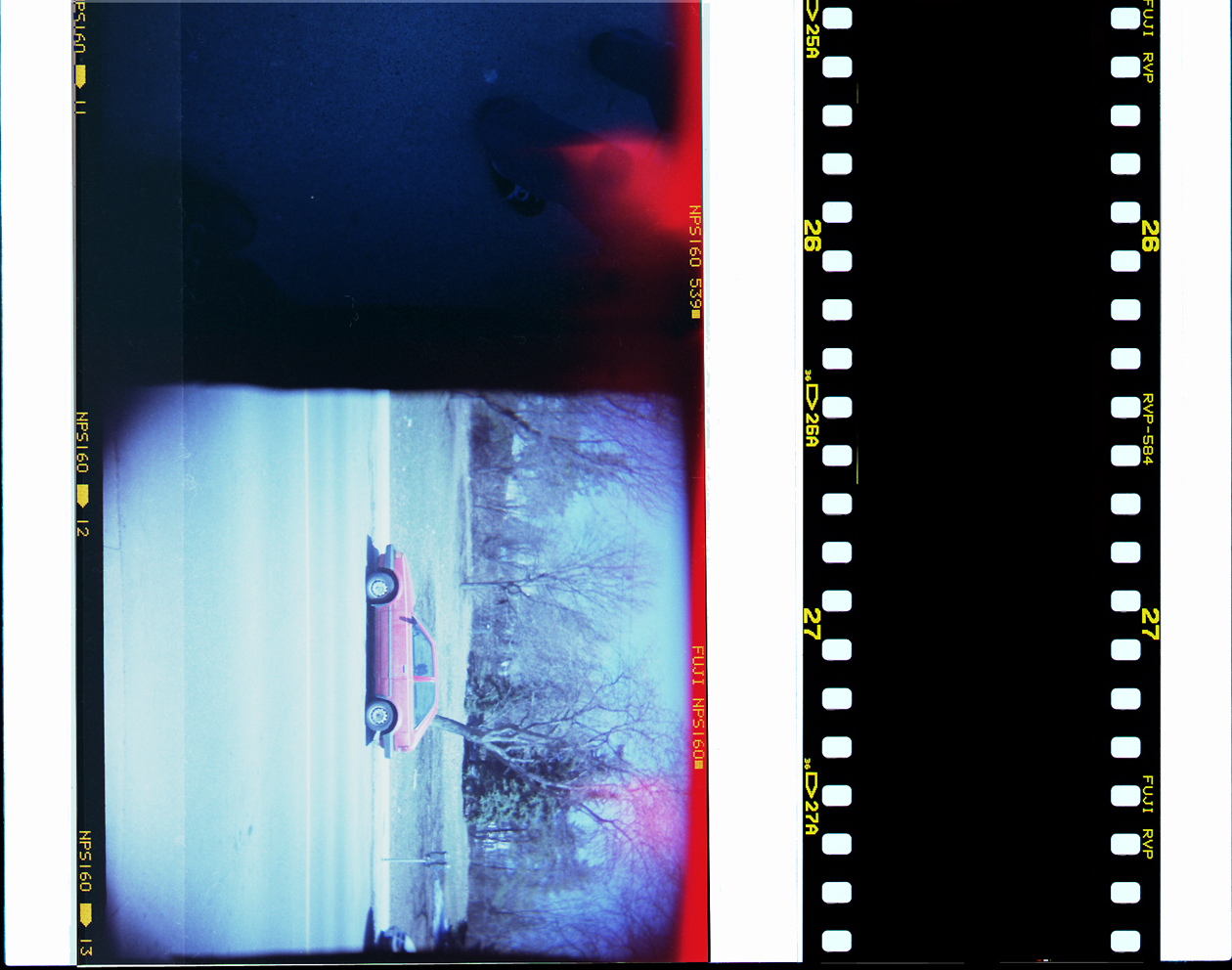
Cover photo: Ting Him Mak, via Wikimedia Commons, licensed CC BY 2.0.
Written and reviewed by the Neptune Photo team — the staff behind the counter and in the film lab at our Garden City, NY shop since 1963. Read our editorial policy