How to Shoot Kodak Gold 200: Settings, Tips & Best Scenarios

Kodak Gold 200 is one of the most forgiving and versatile 35mm films available today — here's everything you need to know to get the most out of every roll.
Kodak Gold 200 shoots best outdoors in generous light: meter at box speed (ISO 200), lean toward a stop of overexposure when unsure, and save it for daylight rather than dim interiors. It's a warm-toned, forgiving C-41 color negative film — one of the easiest films for a beginner to get great results with. Here's how to get the most out of every roll.
What is Kodak Gold 200?
Kodak Gold 200 is a C-41 color negative film with an ISO rating of 200. Originally marketed as an affordable consumer film, it has experienced a massive resurgence among film photographers who love its warm, golden tones and fine grain. It's the kind of film that makes everyday life look like a memory.
Why Photographers Love It
Kodak Gold 200 has a reputation for producing warm, slightly saturated colors — especially in yellows and oranges — that feel nostalgic without being over-the-top. Unlike films that aim for clinical accuracy, Gold 200 leans into a look that flatters skin tones and works beautifully in golden hour light.
At ISO 200, it strikes a good balance between being usable in bright outdoor conditions and not being so slow that you're fighting to get a proper exposure indoors.
Best Lighting Conditions
Kodak Gold 200 shines brightest (literally) when there's plenty of natural light:
- Golden hour — The warm afternoon sun brings out the film's orange-gold palette in a way that feels almost cinematic.
- Overcast days — Diffused light keeps highlights from blowing out while the film's warm bias counteracts grey skies.
- Bright shade — Open shade gives you beautiful, even exposure without harsh shadows.
Avoid trying to shoot Gold 200 in low light without a flash — at ISO 200, you'll need at least a 1/30s shutter speed with a wide aperture, and any camera shake will be noticeable.
Recommended Camera Settings
For a manual camera like a Canon AE-1 or Nikon FM2:
- ISO/ASA: Set your light meter to 200
- Outdoors in sun: f/8–f/11 at 1/125s (the classic Sunny 16 rule)
- Overcast: f/5.6 at 1/125s
- Golden hour: f/2.8–f/4 at 1/60s
- With flash indoors: f/5.6 at 1/60s, flash at ISO 200
Tip: Kodak Gold 200 handles overexposure very gracefully — if in doubt, expose one stop more. Underexposed negatives tend to look muddy and lose shadow detail quickly.
Developing Kodak Gold 200
Kodak Gold 200 is a C-41 process film, which means it can be developed at any standard color film lab. At Neptune Photo, we process C-41 films in-house, and scans arrive by email link within 5–7 business days (more on how long film takes to develop).
For scanning, we recommend our standard scans for Gold 200 — the grain is fine enough that you'll capture good detail without needing high-resolution scans unless you plan to print large (see our film scan resolution guide).
What to Expect from Your Scans
Here's what to expect from a developed and scanned roll of Kodak Gold 200:
- Grain: Visible but pleasant — adds texture without being distracting
- Color palette: Warm, with emphasis on yellows, oranges, and reds
- Shadows: Hold detail reasonably well, especially if you exposed correctly
- Highlights: Can blow out if you overexpose significantly
- Skin tones: Flattering and slightly warm
Is Kodak Gold 200 Right for You?
If you're just getting into film photography, Kodak Gold 200 is an excellent starting point. It's widely available, affordable, and very forgiving of exposure mistakes. The warm look it produces is immediately appealing and photographs beautifully in everyday situations. Thinking about stepping up to a pro film? See Portra 400 vs. Gold 200.
If you're a more experienced shooter looking for clinical accuracy or ultra-fine grain, you might prefer something like Kodak Ektar 100 or Fujifilm Velvia. But for shooting life as it happens — family gatherings, travel, streets — Gold 200 is hard to beat.
FAQ
Is Kodak Gold 200 good for beginners?
Yes. It's affordable, widely available, and very forgiving of exposure mistakes — you can miss by a stop and still get a usable, good-looking frame.
Can I shoot Kodak Gold 200 indoors?
Only with a flash or very bright window light. At ISO 200 you run out of light quickly indoors; for regular indoor shooting, a 400-speed film is the better choice.
Should I overexpose or underexpose Kodak Gold 200?
When in doubt, overexpose. Gold 200 handles a stop of overexposure gracefully, while underexposed frames turn muddy and lose shadow detail.
What's the difference between Kodak Gold 200 and Ultramax 400?
Ultramax 400 is one stop faster, so it works better indoors and in low light, at the cost of more visible grain. Gold 200 is finer grained and warmer — better in daylight. Full comparison: Kodak Gold 200 vs. UltraMax 400.
Where can I get Kodak Gold 200 developed?
Any C-41 lab can process it. Neptune Photo develops and scans C-41 film in-house in Garden City, NY, with scans delivered within 5–7 business days.
Ready to shoot? Drop your finished rolls off at Neptune Photo in Garden City, NY for C-41 development and scanning. We handle everything from drop-off to digital delivery.
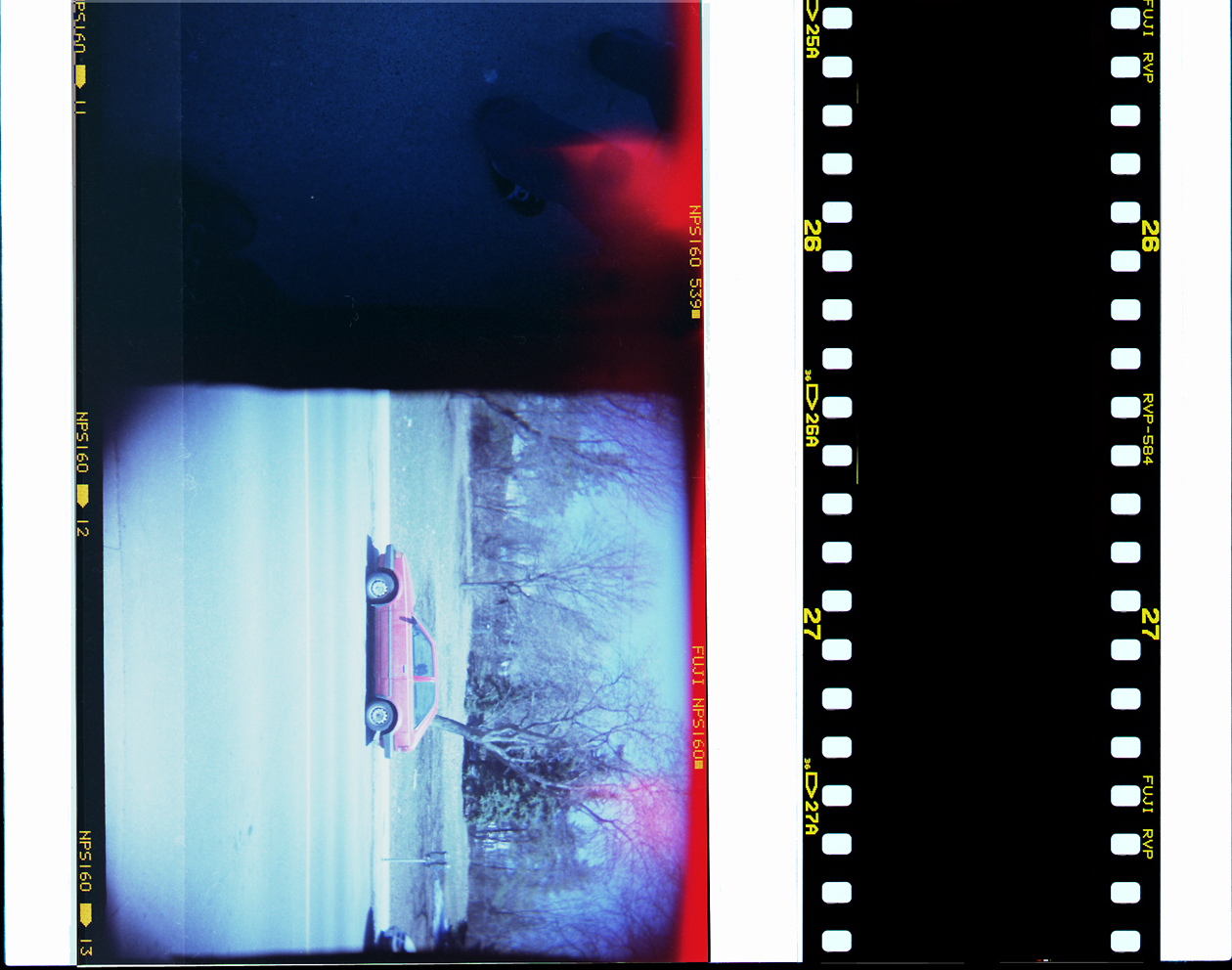
Cover photo: R. Henrik Nilsson, via Wikimedia Commons, licensed CC BY 4.0.
Written and reviewed by the Neptune Photo team — the staff behind the counter and in the film lab at our Garden City, NY shop since 1963. Read our editorial policy